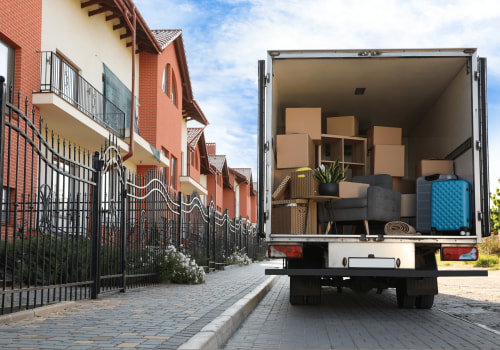
Moving to a new home can be an exciting yet daunting experience, and understanding the costs of moving is crucial for a smooth transition. Whether you are relocating across town or across the country, having a clear budget in place can help alleviate some of the stress associated with this significant life change. Many people underestimate the expenses involved in moving, which can lead to financial strain if not properly planned. When considering how much to budget for a move, it’s essential to account for various factors that contribute to the overall cost. These can include hiring professional movers, renting a truck, purchasing packing supplies, and even potential storage fees.
Additionally, there are often hidden costs that can catch you off guard, such as utility connection fees or travel expenses if you're moving long-distance. By taking the time to research and estimate these costs ahead of time, you can create a realistic budget that accommodates all aspects of your move. In this article, we will delve deeper into the different components of moving expenses and provide practical tips on how to effectively budget for your upcoming relocation. Understanding these costs not only helps you prepare financially but also allows you to make informed decisions throughout the moving process. So, let’s explore what you need to know to ensure your move is both successful and within your financial means.
Factors Influencing Moving Costs
When planning a move, understanding the factors influencing moving costs is crucial for budgeting effectively.Several key elements can significantly impact the overall expenses associated with relocating.
- Distance: The distance between your current home and your new location is one of the most significant factors. Generally, the longer the distance, the higher the cost due to fuel, labor, and time involved in transporting your belongings.
- Size of the Move: The volume and weight of your possessions play a critical role in determining moving expenses. A larger home with more furniture and boxes will require more resources, including a bigger truck and additional labor, leading to increased costs.
- Time of Year: The season in which you choose to move can also affect pricing. Summer is typically the peak moving season, resulting in higher rates due to increased demand.
Conversely, moving during off-peak times, such as winter or mid-month, may yield lower prices.
- Type of Move: Whether you are moving locally or long-distance can influence costs. Local moves are often charged by the hour, while long-distance moves may be based on weight and distance.
- Additional Services: If you require extra services such as packing, unpacking, or storage solutions, these will add to your overall moving expenses. It's essential to evaluate what services you truly need to avoid unnecessary costs.
Types of Moving Services and Their Costs
When planning a move, understanding the types of moving services available and their associated costs is crucial for budgeting effectively. Here’s a breakdown of the most common options:- DIY Moves: This is the most cost-effective option, where you handle everything from packing to transportation.
Renting a moving truck typically costs between $20 to $100 per day, plus mileage fees. Additional expenses may include packing supplies, which can range from $50 to $200 depending on the volume of items.
- Full-Service Movers: For those who prefer a hands-off approach, hiring full-service movers is ideal. These companies manage all aspects of the move, including packing, loading, transporting, and unloading. The average cost for full-service moving ranges from $1,000 to $5,000, depending on distance and the size of your home.
This option provides convenience but comes at a premium.
- Specialty Services: If you have unique items such as pianos, antiques, or artwork, you may need specialty moving services. These can add an additional $200 to $1,000 to your overall moving costs. It's essential to get quotes from movers who specialize in these types of items to ensure proper handling.
Estimating Your Moving Budget
Estimating your moving budget is a crucial step in ensuring a smooth transition to your new home.To create an accurate budget, start by making a detailed list of potential expenses associated with your move. Here are some key categories to consider:
- Moving Company Fees: If you plan to hire professional movers, obtain quotes from several companies. Consider costs for packing, loading, transportation, and unloading.
- DIY Moving Costs: If you choose to move yourself, factor in expenses such as truck rental, fuel, and any equipment you may need, like dollies or moving blankets.
- Packing Supplies: Don’t forget to budget for boxes, tape, bubble wrap, and other packing materials. You can often find free boxes at local stores or online marketplaces.
- Insurance: Consider purchasing moving insurance to protect your belongings during transit. This can be especially important for valuable items.
- Storage Fees: If there’s a gap between moving out of your old home and into your new one, you may need to rent a storage unit.
- Utility Setup Costs: Budget for any deposits or connection fees for utilities at your new residence.
These tools can provide a comprehensive overview of expected costs based on your specific situation. Input details such as the distance of the move, the size of your household, and any additional services you may require. Finally, always add a buffer of about 10-20% to your estimated budget. Unexpected expenses can arise during a move, so having extra funds available can alleviate stress and ensure you’re prepared for any surprises.
Hidden Costs to Consider When Moving
When planning a move, many people focus on the obvious expenses like hiring movers, packing supplies, and transportation. However, there are several hidden costs that can quickly add up and derail your budget.Being aware of these unexpected moving expenses can help you prepare more effectively.
- Insurance Costs: While most moving companies offer basic liability coverage, it may not be sufficient to cover the full value of your belongings. Consider purchasing additional insurance for peace of mind.
- Utility Deposits: When moving into a new home, you may need to pay deposits for utilities such as electricity, water, and internet services. These costs can vary significantly based on your location and service providers.
- Storage Fees: If your new home isn’t ready on moving day or if you need to downsize temporarily, you might require storage solutions. These fees can accumulate quickly, especially for long-term storage.
- Cleaning Costs: Whether you’re moving out or into a new place, cleaning is often necessary.
Hiring professional cleaners can be an added expense that many forget to include in their budget.
- Travel Expenses: If you’re moving long-distance, don’t forget to account for travel costs such as gas, meals, and lodging along the way.
- Parking Permits: Depending on your city, you may need to secure parking permits for the moving truck. Failing to do so can result in fines or delays on moving day.
Tips for Reducing Moving Costs
Moving can be a costly endeavor, but with some strategic planning, you can significantly reduce your moving expenses. Here are some practical tips to help you save money while ensuring a smooth transition.- Plan Ahead: Start planning your move at least a month in advance.
This gives you ample time to compare prices, book services early, and avoid last-minute expenses.
- Purge Unnecessary Items: Before packing, take the time to declutter your home. Sell, donate, or recycle items you no longer need. The less you have to move, the lower your costs will be.
- Get Multiple Quotes: Don’t settle for the first moving company you find. Obtain quotes from at least three different movers to ensure you’re getting the best deal.
Look for hidden fees and ask about discounts.
- Consider Off-Peak Moving: If possible, schedule your move during off-peak times, such as weekdays or mid-month. Rates are often lower during these times due to decreased demand.
- DIY Packing: Save on packing costs by doing it yourself. Use free boxes from local stores or online marketplaces and pack your belongings carefully to avoid damage.
- Utilize Friends and Family: Enlist the help of friends and family for packing and moving day. Not only will this save you money on labor costs, but it can also make the process more enjoyable.
- Rent a Truck: If you have a smaller load, consider renting a truck instead of hiring full-service movers.
This option can be significantly cheaper if you’re willing to do the heavy lifting yourself.
Frequently Asked Questions About Moving Budgets
When planning a move, many people have questions about how to effectively budget for the various costs involved. Here are some frequently asked questions regarding moving budgets:What are the main costs associated with moving?
The primary costs of moving can be categorized into several key areas:- Moving company fees: This includes labor, transportation, and any additional services like packing or storage.
- Supplies: Boxes, tape, bubble wrap, and other packing materials can add up quickly.
- Travel expenses: If you're moving long-distance, consider gas, lodging, and meals along the way.
- Insurance: Protecting your belongings during transit may require additional insurance coverage.
- Utility setup fees: Don’t forget about deposits or connection fees for utilities at your new home.
How can I estimate my moving budget?
To create an accurate moving budget, follow these steps:- List all potential expenses: Include everything from moving company fees to new furniture purchases.
- Research costs: Get quotes from moving companies and check prices for packing supplies.
- Add a buffer: It’s wise to include an extra 10-20% in your budget for unexpected expenses.
Are there ways to save on moving costs?
Absolutely! Here are some tips to help you save money during your move:- Purge unnecessary items: Sell or donate items you no longer need to reduce the volume of what you’re moving.
- Compare quotes: Get estimates from multiple moving companies to find the best deal.
- Packing yourself: If possible, pack your belongings instead of hiring professionals to save on labor costs.
Conclusion: Final Thoughts on Budgeting for Your Move
In conclusion, budgeting for your move is a critical step that can significantly impact your overall experience. By taking the time to plan and allocate funds appropriately, you can avoid unexpected financial burdens and ensure a smoother transition to your new home.Throughout this article, we have discussed various factors that contribute to the overall cost of moving.From transportation fees and packing supplies to insurance and storage options, each element plays a vital role in shaping your moving budget. Here are some key takeaways:
- Assess Your Needs: Understand the size of your move and the services you require, whether it’s hiring professional movers or opting for a DIY approach.
- Get Multiple Quotes: Always compare estimates from different moving companies to find the best deal that fits your budget.
- Plan for Hidden Costs: Don’t forget to account for additional expenses such as utility deposits, cleaning fees, and potential travel costs.
- Create a Contingency Fund: Set aside extra funds for unforeseen circumstances that may arise during the moving process.